Cherry Shrimp Water Parameters: pH, GH, KH, TDS and Temperature
The ideal water parameters for cherry shrimp explained: pH, GH, KH, TDS and temperature ranges, what each one means and how to adjust them safely.
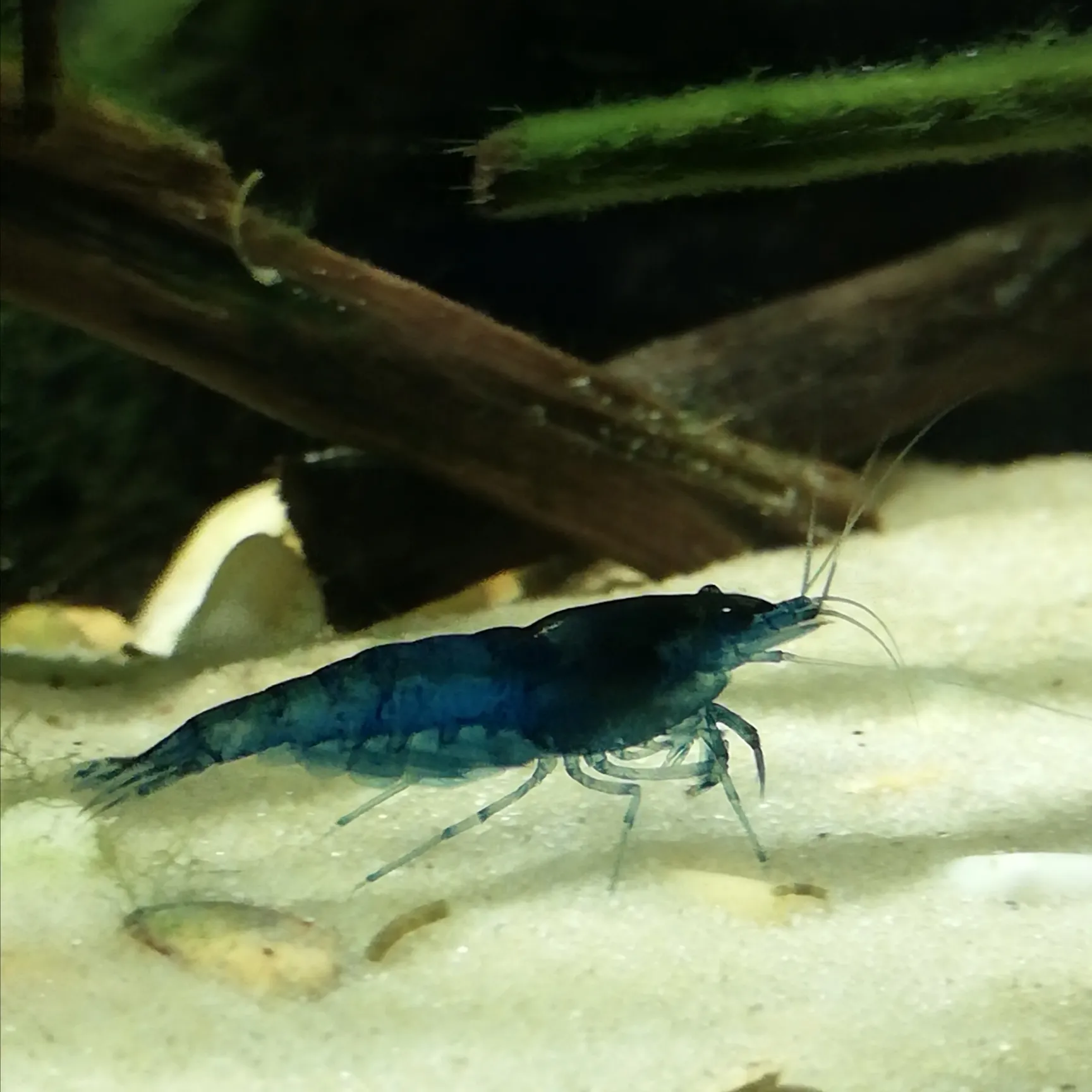 Photo: Roth 1312, CC BY 4.0
In this guide
Short answer: cherry shrimp do well in pH 6.5–8.0, GH 6–12 dGH, KH 2–8 dKH, TDS 150–300 ppm and 18–27 °C (65–80 °F). Keeping these values stable matters more than hitting an exact number. Ammonia and nitrite must always be 0 ppm and nitrate under 20 ppm.
Ideal ranges at a glance
| Parameter | Safe range | Ideal target |
|---|---|---|
| pH | 6.5–8.0 | 7.0–7.6 |
| GH (general hardness) | 6–12 dGH | 7–8 dGH |
| KH (carbonate hardness) | 2–8 dKH | 3–5 dKH |
| TDS | 150–300 ppm | 180–250 ppm |
| Temperature | 18–27 °C (65–80 °F) | 22–24 °C (72–75 °F) |
| Ammonia / nitrite | 0 ppm | 0 ppm |
| Nitrate | Under 20 ppm | Under 10 ppm |
Enter your own numbers in our Water Parameter Checker to see which of them are off.
What each parameter means
pH
pH measures how acidic or alkaline the water is. Cherry shrimp tolerate a wide range, so most tap water is fine. The danger is fast changes, for example when you add a lot of driftwood or active soil to a tank with neutral tap water, or do a large water change with water that has a very different pH.
GH: general hardness
GH is the amount of calcium and magnesium in the water. Shrimp need these minerals to build a new shell each time they molt. Too low GH (under 5–6) often leads to failed molts; very high GH can make molting harder too. Read more in our guide to shrimp molting problems.
KH: carbonate hardness
KH is the water’s buffer. It stops pH from swinging. Low KH means pH can drop quickly, and high KH keeps pH high and stable. For cherry shrimp, a moderate KH of 2–8 gives stable conditions.
TDS: total dissolved solids
TDS is everything dissolved in the water, measured with a cheap digital meter. It doesn’t tell you what is dissolved, but it’s the fastest way to notice change. If TDS creeps up week by week, you’re probably not changing enough water. If it jumps after a water change, the new water is different from the tank.
Temperature
Cherry shrimp are fine at room temperature in most homes, and many keepers don’t use a heater at all. Warmer water (25–27 °C) speeds up breeding but shortens their lives. Water above 28 °C holds less oxygen and becomes risky.
Is tap water OK?
Often yes. Many municipal tap waters sit within the cherry shrimp range. To check:
- Let a glass of tap water stand for 24 hours (so dissolved CO₂ can escape and pH settles).
- Test pH, GH, KH and TDS.
- Compare the results with the table above.
Always use a water conditioner to remove chlorine and chloramine. If your GH is very low (soft water), add a GH+ remineralizer. If your water is extremely hard, mix it with RO or distilled water.
How to change parameters safely
- Change one thing at a time, and only slowly: aim for no more than 1 dGH or 0.3 pH per day.
- Prepare water in a bucket and test it before it goes in the tank.
- Do small, regular water changes (10–20% per week) instead of rare big ones.
- Match temperature within 1–2 °C.
Frequently asked questions
What is the best pH for cherry shrimp?
Anything between 6.5 and 8.0 works, with 7.0–7.6 being a comfortable target. Stability is more important than the exact value.
Do cherry shrimp need a heater?
Not usually. If the room stays between 18 and 27 °C, they’ll do fine. A heater helps in cold rooms or if you want faster breeding.
Why is my TDS rising?
Minerals and waste build up as water evaporates and you top up. Topping up with pure (RO or distilled) water and doing regular water changes keeps TDS steady.
What parameters do Caridina shrimp need?
Caridina like crystal red shrimp need much softer, more acidic water. See our comparison of Neocaridina vs Caridina.