Sponge Filter for a Shrimp Tank: Why It's Best and How to Set It Up
Why sponge filters are the go-to filter for shrimp tanks, how to choose the right size, how to set one up and how to clean it without crashing your cycle.
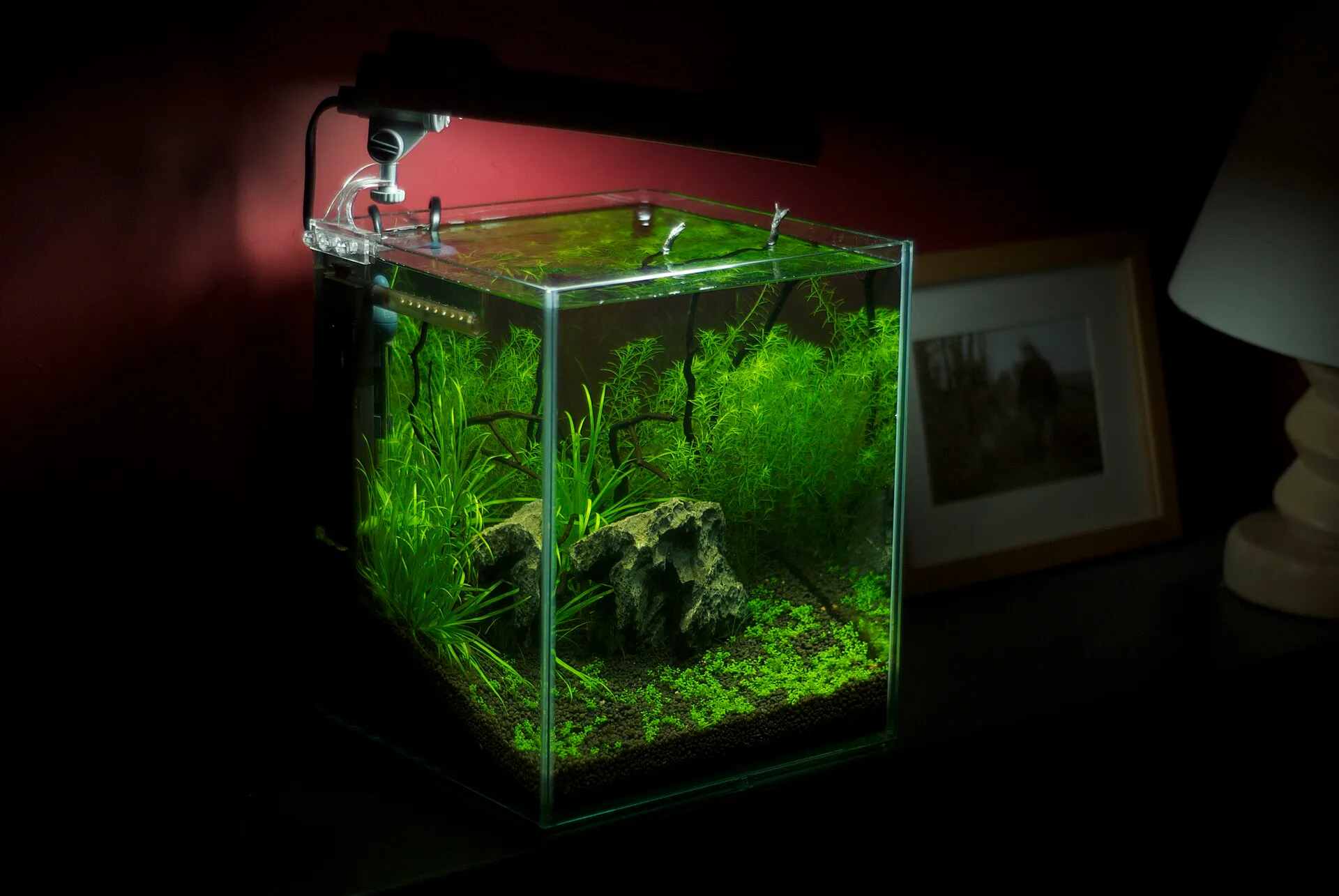
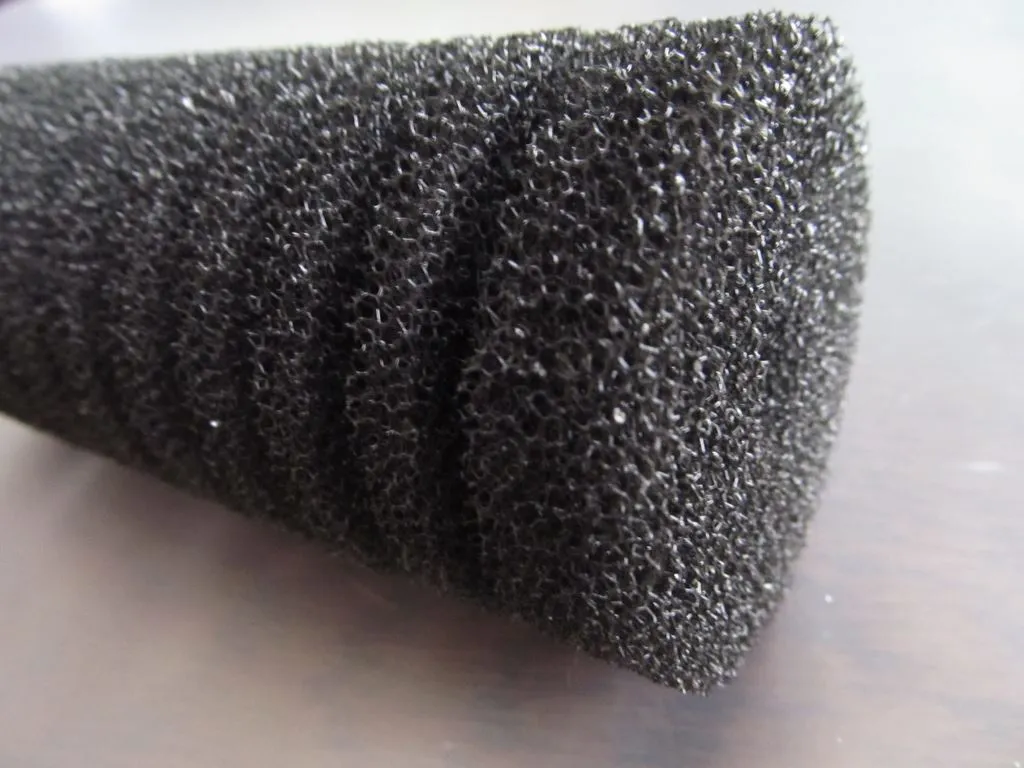 Photo: Ofkun, CC BY-SA 4.0
In this guide
Short answer: a sponge filter is the best filter for most shrimp tanks. It’s safe for baby shrimp, gives gentle flow, grows a lot of beneficial bacteria, and the sponge itself becomes a feeding surface. It’s also cheap and nearly impossible to break.
How a sponge filter works
An air pump pushes air down a tube into the filter. The rising bubbles pull water through the sponge. Debris gets trapped in the sponge, and nitrifying bacteria living in it break down ammonia and nitrite. That’s the biological filtration a shrimp tank depends on.
Why shrimp keepers love them
- No suction risk. Baby shrimp are 1–2 mm long and get sucked into most standard filter intakes. They can’t get through a sponge.
- Gentle flow. Shrimp don’t like strong currents.
- Huge bacteria surface. A sponge has far more surface area than it looks like.
- Food. Shrimp graze biofilm and trapped particles on the sponge all day.
- Cheap and simple. No impeller to clog, nothing to break except the air pump.
- Oxygen. The bubbles move the water surface, which helps gas exchange.
Downsides
- Looks. A sponge and air tube are visible in the tank. You can hide them behind plants or wood.
- Noise. Air pumps hum and bubbles make sound. A quality pump and a check valve help.
- No room for chemical media, like carbon. Shrimp tanks rarely need it.
Choosing the right size
| Tank size | Sponge filter |
|---|---|
| Up to 5 gal (19 L) | Nano or small single sponge |
| 5–10 gal (19–38 L) | Small double sponge |
| 10–20 gal (38–75 L) | Medium double sponge |
It’s fine to go a size bigger. More sponge means more bacteria and more grazing space. Pick a sponge with fine or medium pores. Very coarse sponges may let the tiniest babies in.
Setting it up
- Connect the airline from the air pump to the filter.
- Add a check valve in the line, so water can’t flow back into the pump if the power goes out.
- Place the pump above the water line if you can.
- Put the filter in a back corner. Let the sponge fill with water before switching on.
- Adjust the flow. Use the pump’s control or an air valve to get a steady stream of bubbles without the surface churning.
How to clean it without losing your cycle
Clean the sponge only when flow drops noticeably, usually every 4–8 weeks.
- Take out some tank water in a bucket.
- Squeeze the sponge in that water a few times until most of the dirt comes out.
- Put it back. Don’t aim for spotless.
With a double sponge filter, clean one sponge at a time, a few weeks apart.
Sponge filter vs other filters
| Sponge filter | Hang-on-back | Canister | |
|---|---|---|---|
| Baby-safe | Yes | Only with pre-filter | Only with pre-filter |
| Flow | Gentle | Medium to strong | Adjustable |
| Price | Low | Low to medium | High |
| Best for | Nano and breeding tanks | Larger display tanks | Large planted tanks |
For a 5–10 gallon shrimp tank, a sponge filter is almost always the right choice. See our full 5 gallon shrimp tank setup.
Frequently asked questions
Is a sponge filter enough for a shrimp tank?
Yes. Shrimp produce little waste, and a correctly sized sponge filter provides all the biological filtration they need.
How often should I clean a sponge filter?
Only when the flow slows, usually every 1–2 months. Squeeze it in old tank water, never in tap water.
Can I use a sponge filter in a new tank?
Yes, but a new sponge has no bacteria yet. You still need to cycle the tank. A sponge from an established tank will cycle a new one almost instantly.