Shrimp-Safe Fertilizers and Root Tabs: Copper, Dosing and What to Avoid
Are aquarium fertilizers safe for shrimp? What copper does, how to dose liquid fertilizer and root tabs in a shrimp tank, and which products to avoid.
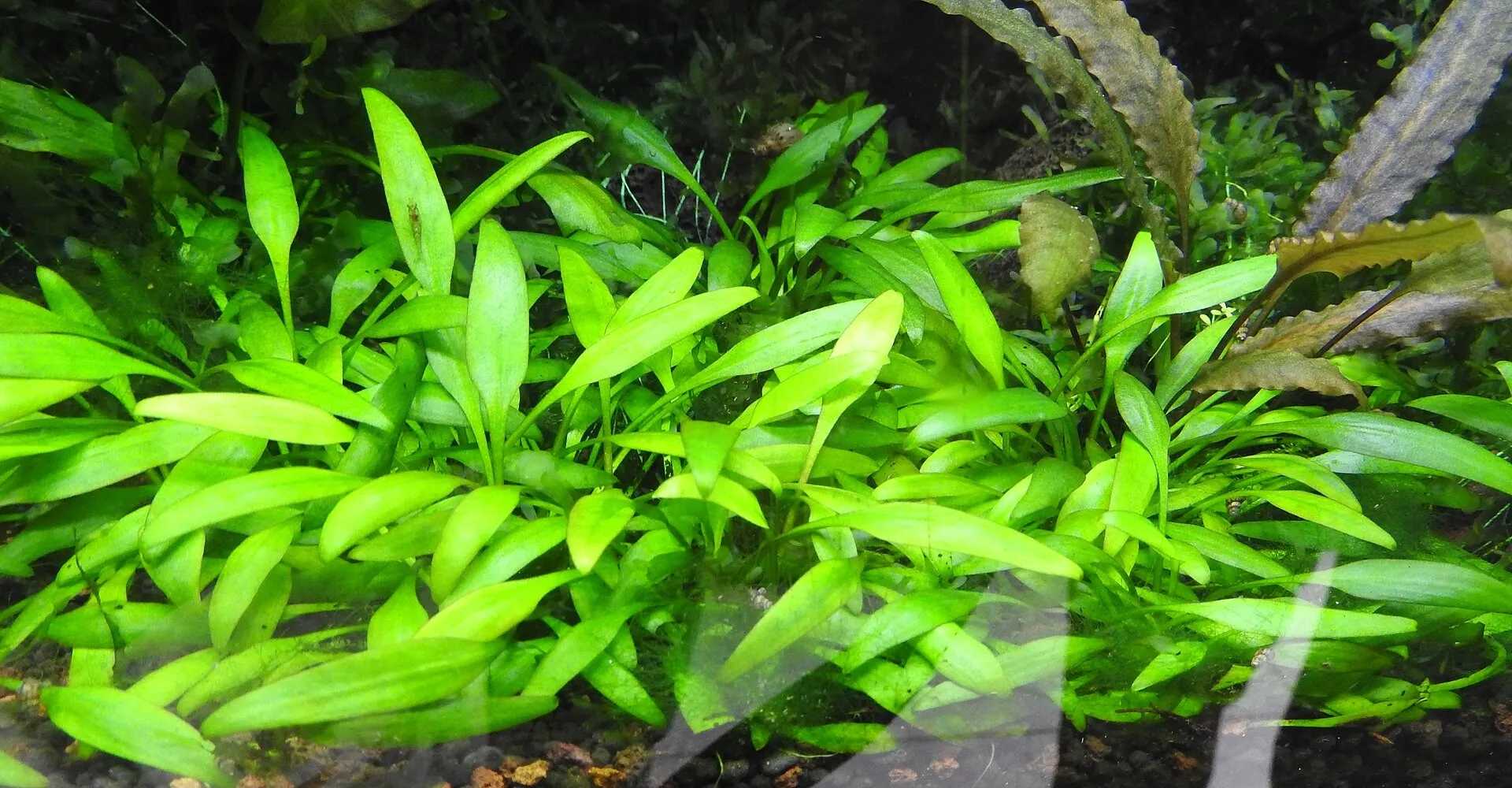 Photo: Yercaud-elango (cropped), CC BY 4.0
In this guide
Short answer: most fertilizers made for aquariums are safe for shrimp when dosed as directed. Some contain a trace of copper, but the amount at a normal dose is tiny. The real risks are overdosing, garden or houseplant fertilizers, and root tabs that float up and leak into the water. Start at half the label dose, measure your real water volume, and never make up for a missed dose by doubling the next one.
Why shrimp keepers worry about copper
Shrimp actually need a little copper. Their blood carries oxygen with hemocyanin, a protein built around copper atoms. In larger amounts, though, copper is toxic to shrimp and other invertebrates. The US EPA lists death, poorer growth and lower reproduction among its effects on aquatic life.
There’s no single safe number for an aquarium. How toxic copper is depends on water hardness, pH and dissolved organic matter, which is why the EPA moved away from one fixed limit. That’s also why you’ll see different “safe” figures online; most come from forums, not studies.
Is the copper in fertilizers a problem?
At the recommended dose, generally no. An example: Seachem Flourish lists 0.0001% copper on its label, and Seachem says it’s safe with shrimp and that tap water often contains more copper than Flourish adds. Some other all-in-one fertilizers list no copper at all.
Shrimp Science, a shrimp-focused site, agrees that common aquarium fertilizers are fine for shrimp as long as you follow the dosing instructions, and warns that overdosing can be lethal. One manufacturer claims even big overdoses are harmless; we’d treat that as marketing, not a reason to experiment.
How to read a fertilizer label
- Copper (Cu): look at the guaranteed analysis. A tiny percentage, or none, is what you want.
- Made for aquariums: houseplant and garden fertilizers are formulated differently and can release a lot of ammonia.
- Nitrogen: all-in-one products add nitrogen. That’s fine in a planted tank, but heavy dosing in a tank with few plants can feed algae.
- “Shrimp safe”: a manufacturer’s claim, so still dose carefully.
Liquid fertilizer vs root tabs
| Liquid fertilizer | Root tabs | |
|---|---|---|
| Feeds | Plants that take nutrients from the water (stem plants, mosses, floaters) | Root feeders (Cryptocoryne, Amazon swords, bulbs) |
| Dosing | Weekly or more often, measured each time | Every few months, buried in the substrate |
| Main risk for shrimp | Overdosing | A tab coming loose and dissolving in the water |
Many shrimp tanks with mosses and slow plants need very little fertilizer. Nutrient-rich active soils (common in shrimp tanks) also feed plants for months on their own.
How to dose liquid fertilizer safely
- Work out your real water volume. A “10 gallon” tank holds less once substrate and rocks are in. Dose for the water, not the label size.
- Start at half dose. Increase slowly over a couple of weeks if plants show deficiencies.
- Never double up to make up for a missed dose.
- Use a syringe for small tanks; one cap thread can be too much for a nano.
- Add it where water flows, such as near the filter outlet, so it mixes quickly.
- Keep up with water changes. Regular small changes stop anything from building up. See how to cycle a shrimp tank for why stable water matters.
How to use root tabs safely
- Push tabs deep into the substrate, near the roots, and cover them well.
- Use tabs made for aquariums. Aquarium Co-op warns that garden fertilizers can cause dangerous ammonia spikes. Keepers who make DIY tabs from garden fertilizer report shrimp deaths when tabs float up.
- Don’t overdo it. Seachem’s guidance for Flourish Tabs is about one tab per 4–6 in (10–15 cm) of substrate, replaced every 3–4 months.
- Watch after planting. If a tab comes up while you replant, remove it.
What about liquid carbon?
Liquid carbon products such as Seachem Excel contain glutaraldehyde, a strong chemical. Seachem calls Excel safe for fish but doesn’t make a shrimp claim, and some plants melt at higher doses. Shrimp keepers commonly report that the label dose is tolerated and overdoses are risky, but this is anecdotal. If you use it, stay at or below the label dose.
If something goes wrong
If shrimp start dying after a dose:
- Stop dosing.
- Do a moderate water change (not a huge one, which can cause molting problems), matching temperature and hardness.
- Add activated carbon to the filter to remove remaining chemicals.
- Check the other causes in why are my cherry shrimp dying; fertilizer isn’t always the culprit.
Frequently asked questions
Do I need fertilizer in a shrimp tank?
Not always. Mosses, ferns and Anubias grow fine on fish and shrimp waste. Fertilizer helps faster-growing plants and root feeders.
Are root tabs safe for cherry shrimp?
Yes, if they’re made for aquariums and buried properly. Problems usually come from tabs that float up or garden fertilizer tabs.
Is Seachem Flourish safe for shrimp?
Seachem says it is at the recommended dose, and its copper content is very low. Start at half dose in a shrimp tank.
How much copper kills shrimp?
There’s no single number. Toxicity depends on the water chemistry, and studies on related species show harm at low concentrations. Avoid copper medications entirely and dose fertilizers as directed.